Design Agency
Beyond the Canvas: What True Design Really Means in Business
Everyone can call themselves a designer, and every company can position itself as a design agency. But the real differentiator lies in the depth of what each can actually produce. At its most basic level, anyone who can draw or composite elements is, technically, a designer. Some learn through formal certifications, others through hands-on portfolio building. But in the world of business, what does design truly mean? Is it simply stacking elements together without understanding how they communicate? Or is it purely art? In reality, design runs far deeper than most imagine.Compositing
Let’s start with compositing. It’s easy to gather every element that “feels” related and cram them into one layout, assuming it tells a story. But compositing without strategic intent only creates clutter. When you overwhelm viewers with competing visuals, the core message gets lost. This is where space becomes essential. Design isn’t just about what you add—it’s about what you leave out. Whitespace gives the eye room to breathe, the mind room to process, and the message room to land. Yes, this approach often sparks debate. But stepping back to respect the space is what separates noise from clarity. And that leads us to visual dominance.Depth
Depth is where many designs fall short. Placing elements in the foreground and background might seem straightforward, but the real skill lies in perspective. A strong designer considers exactly where the audience will view the piece, from what distance, and at what angle. Strategic placement isn’t guesswork—it’s in>tentional architecture. This ties directly into strategic space: the deliberate arrangement of elements to guide attention, establish hierarchy, and ensure the viewer absorbs the story in the right order.Typography
Then there’s typography, an art form in itself. Every font carries subtle details—the curve of a serif, the weight of a stroke, the spacing between letters. These aren’t arbitrary choices; they’re rooted in cultural history, calligraphic tradition, and psychological impact. Typography doesn’t just display words. It gives them voice.Colors
Color, too, operates far beyond surface-level trends. Take the 60-30-10 rule, for example. It’s not just a formula—it’s a framework for balance, ensuring that dominant, secondary, and accent colors work in harmony to evoke the right emotion and drive the right action. Colors communicate before a single word is read.What is a good design? Who is a good designer?
At its core, great design is defined by depth, perspective, intentional compositing, purposeful typography, and strategic color. But there’s another critical layer: the platform. How do those pixels, contrasts, and color profiles translate across print, digital screens, and social feeds? A layout that looks flawless on a desktop can fall flat on mobile or lose its richness in print. Mastering this translation requires experience, not just software skills.If you believe a drag-and-drop tool like Canva meets your needs, then it’s likely the right fit for you. But if you’re looking for a visual artist who understands how to interpret, adapt, and convey your message across every platform—from large-format print to digital campaigns and social media—you’ve come to the right place. We don’t just make things look good. We turn eyeballs. Thank you for your time, and for keeping your attention on the craft behind our work in collateral design.DREAMBOX STUDIO
CALL OR EMAIL US FOR A FREE QUOTE
Read Articles
Company News, Engagement Frameworks, Insights & Strategy, Portfolio & Case Studies

The “Verified” Reviews That Can Be Deceiving
The \"Verified\" Reviews That Can Be Deceiving For businesses seeking digital agencies, video production houses, software consultants, design firms, or…
Driven by Consistency: Dreambox Studio’s 8-Year Media & Video Production Partnership with ISS (From 2018 to 2026 and on …)
Driven by Consistency: Dreambox Studio’s 8-Year Media & Video Production Partnership with ISS (From 2018 to 2026 and on ...)…
Why Dreambox Studio Was Chosen to Tell the Capitaland-Ascendas Story
Why Dreambox Studio Was Chosen to Tell the Capitaland-Ascendas Story In 2019, a hands-on production partnership evolved into a defining…
Corporate Video Production
Corporate Video Production Dreambox Studio champions corporate video production and corporate videography. We treat video not as a promotional afterthought,…
Top 10 Video Production Companies in Singapore
With over 20 years experience delivering impactful messagesfor Advertising, Branding and MarketingFor Branding, Corporate Communication and Public & Investor RelationsFrom…

Corporate Video Production Singapore Vopak
Corporate Video Production in Singapore: The Dreambox x Vopak Partnership From Crisis Recovery to Strategic Communications Partner The relationship between…
ST Logistics Corporate Video Production
How Dreambox Studio Powers ST Logistics’ Corporate Storytelling & Brand Narrative In the highly operational world of logistics and supply…
Social Media Agency
Social Media Marketing Agency As a premier Social Media Agency in Singapore, Dreambox Studio specializes in crafting content strategies that…
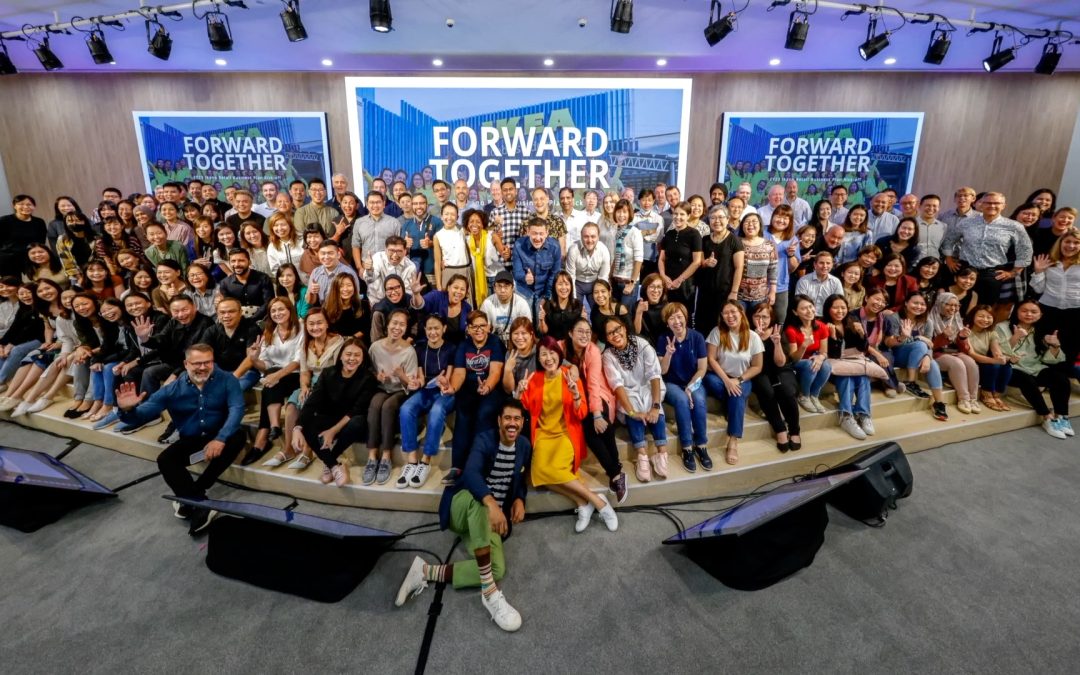
IKEA Corporate Communication Event
How Dreambox Studio Reinvented IKEA\'s Cross-Regional Communication with a Never-a-Problem-Too-Large Mindset Beyond Borders, Beyond Screens When the pandemic struck in…
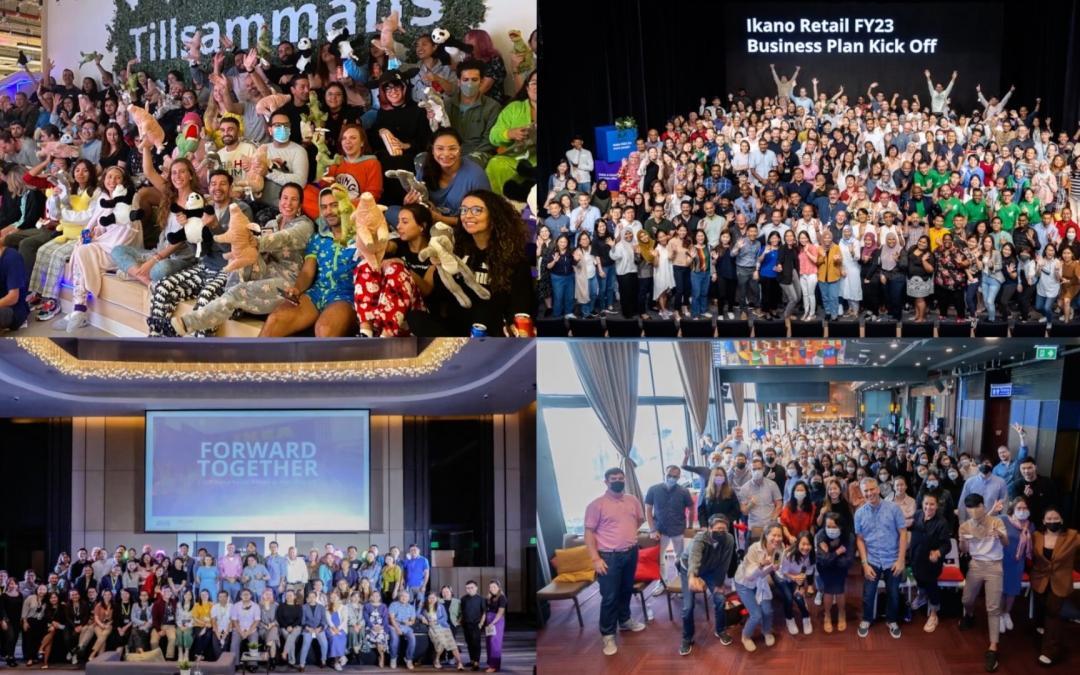
Why MNCs Choose Dreambox Studio
The Strategic Gap: Why MNCs Choose Dreambox Top Video Production Company for the 2026 Enterprise Most production agencies in Singapore…
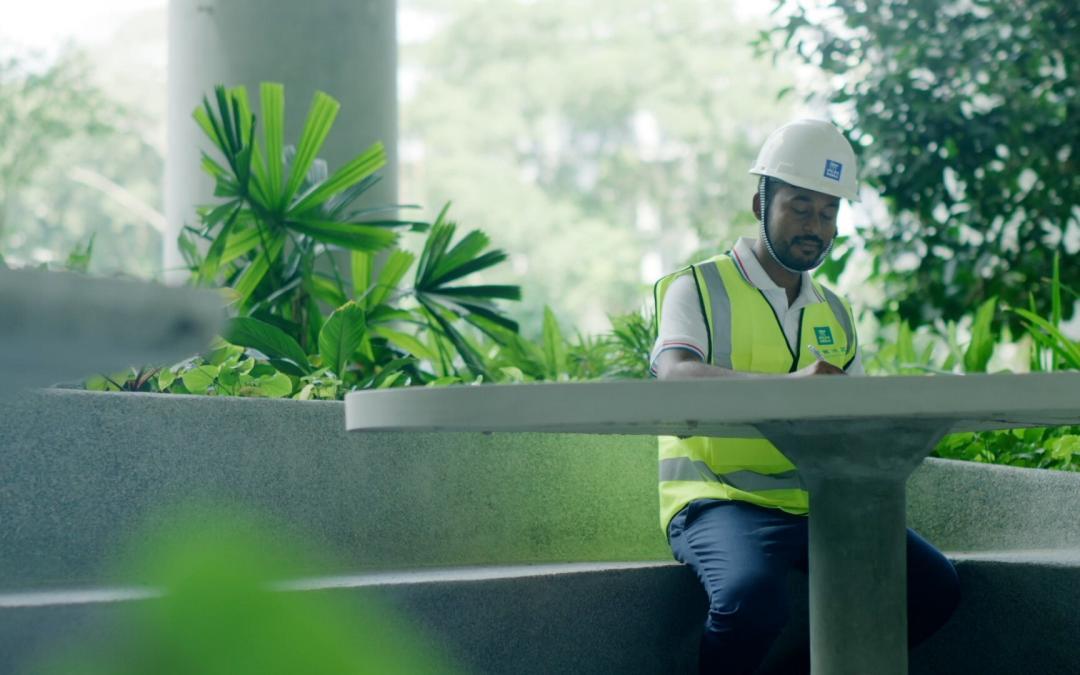
Corporate Videography
DREAMBOX STUDIO - CORPORATE VIDEOGRAPHY COMPANY As a leading corporate videography company in Singapore, Dreambox Studio specializes in transforming businesses’…
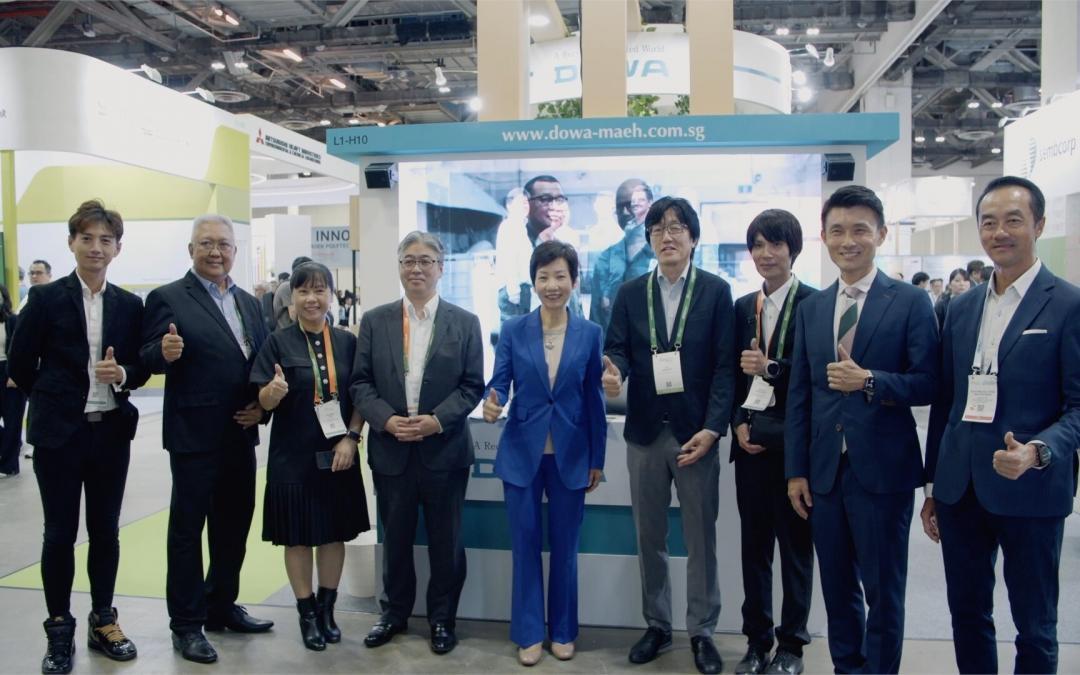
Corporate Event Photography
Corporate Event Photography Corporate Event Photography, also known as event photography, is one of the most essential ways to document…

Video Marketing
Video Marketing Some might say it is no longer important to do video marketing in Singapore because the space is…
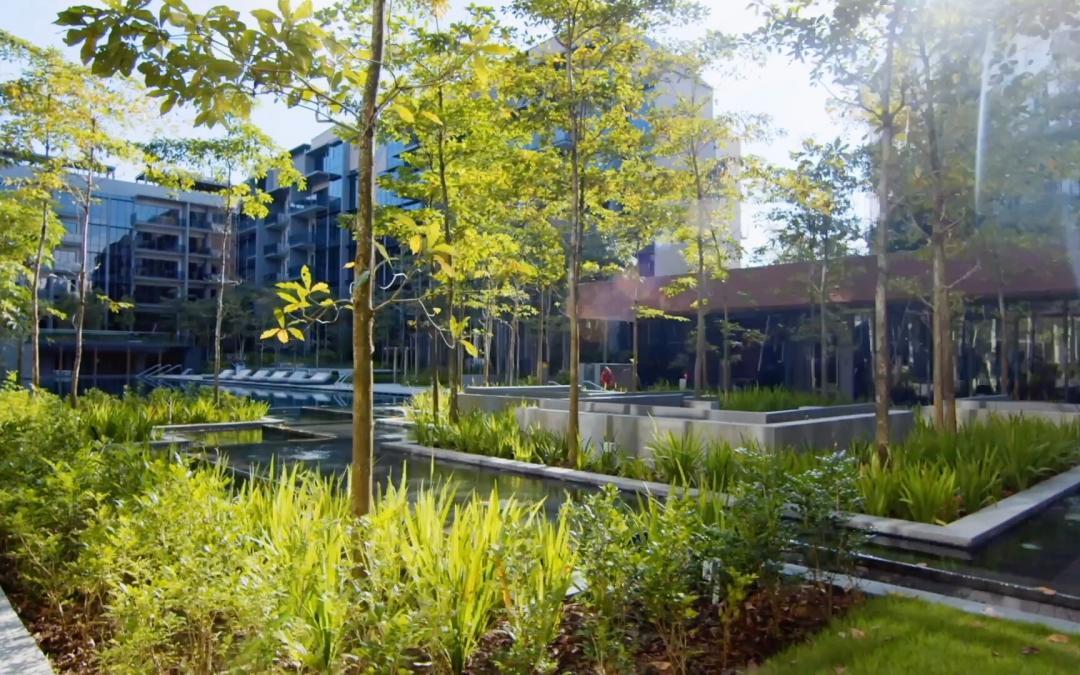
Commercial Videography
Commercial Videography Company As Commercial Videography Company or Agency, we perform Corporate Video Production, Commercial Videography, Product Introduction Video, Safety…
Video Production Company
Video Production Company The Industry Blind Spot For years, traditional video production companies Singapore have approached storytelling from a purely…
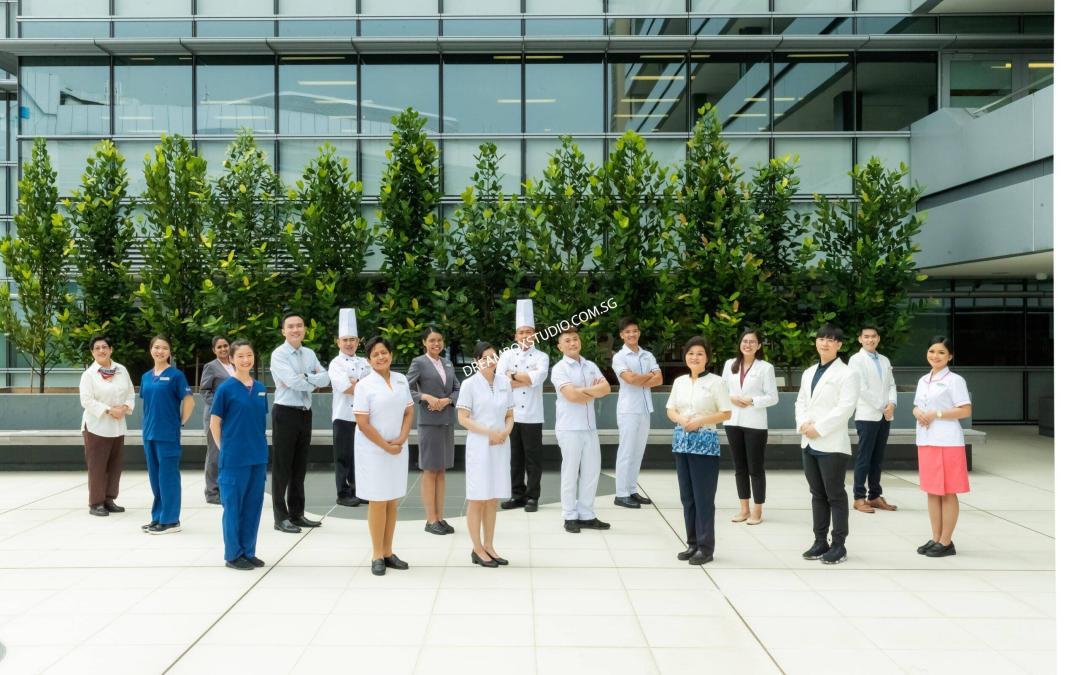
Commercial Photography
Commercial Photography Visual Assets That Drive Business Value In a digital economy where attention is the scarcest resource, Commercial Photography…
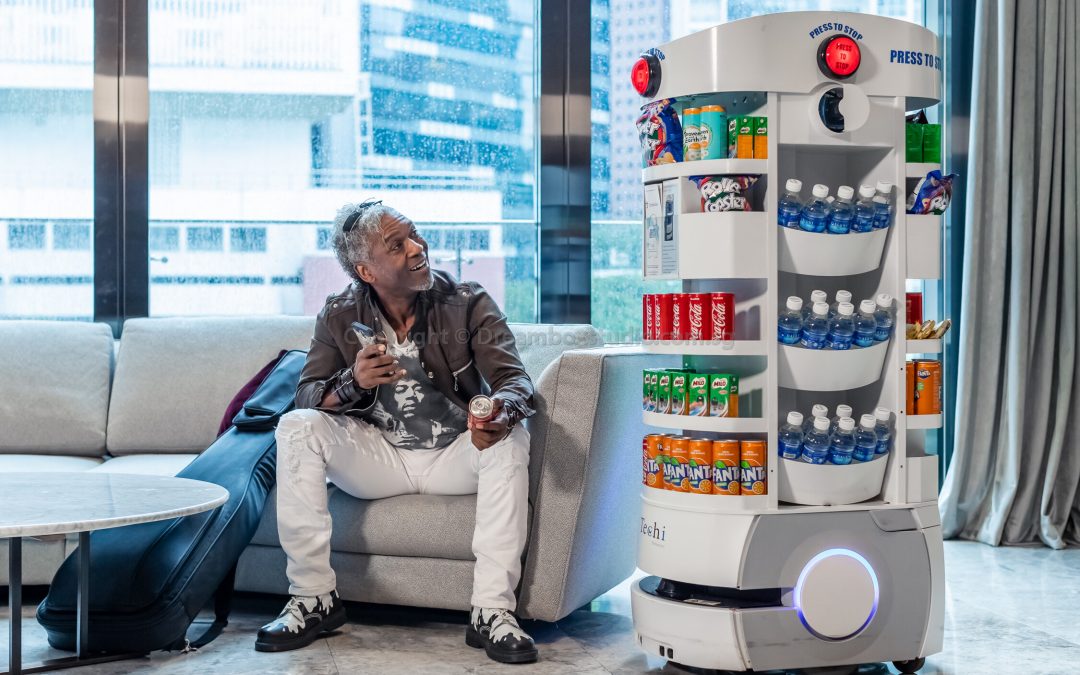
Product Photography
Product Photography At Dreambox Studio, we define product photography broadly—it is the visual articulation of your business’s true character. While…

Event Photography
Event Photography Why Dreambox Studio is Your Ultimate Choice for Event Photography The Art of Capturing Irreplaceable Moments in Event…
What to look for when comparing corporate video production agencies
Beyond the Portfolio: What to Look for When Comparing Corporate Video Production Agencies in Singapore Singapore\'s corporate video market is…
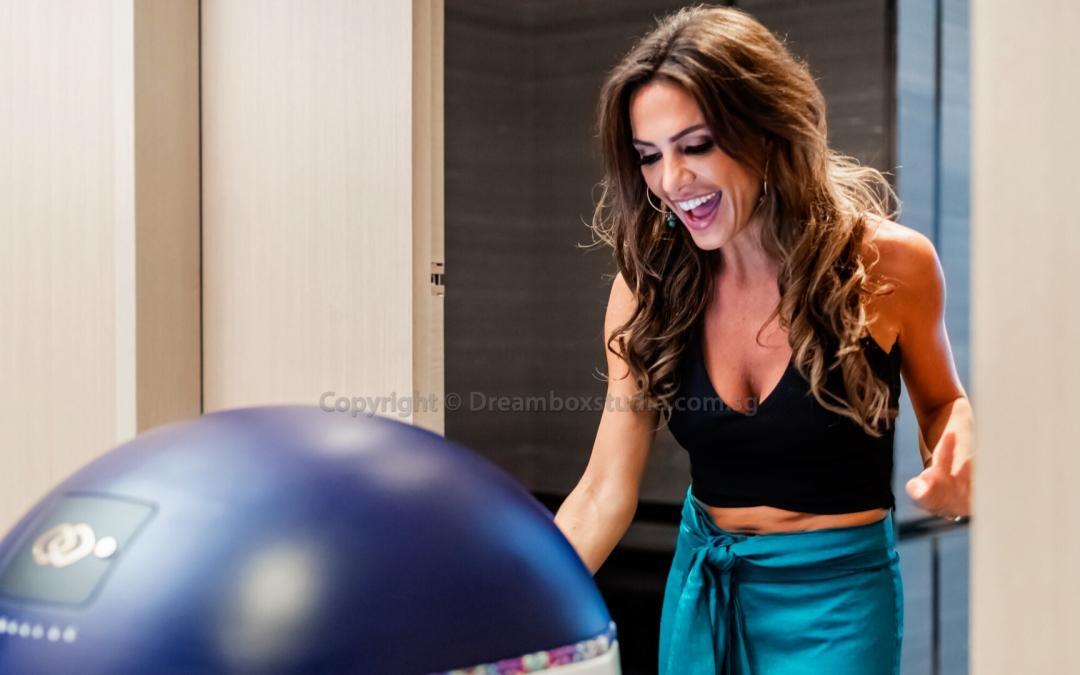
Digital Advertising Agency
DIGITAL ADVERTISING AGENCY Dreambox Studio as a \"Performance-First Digital Agency,\" diving deeper into the how and why behind their approach.…